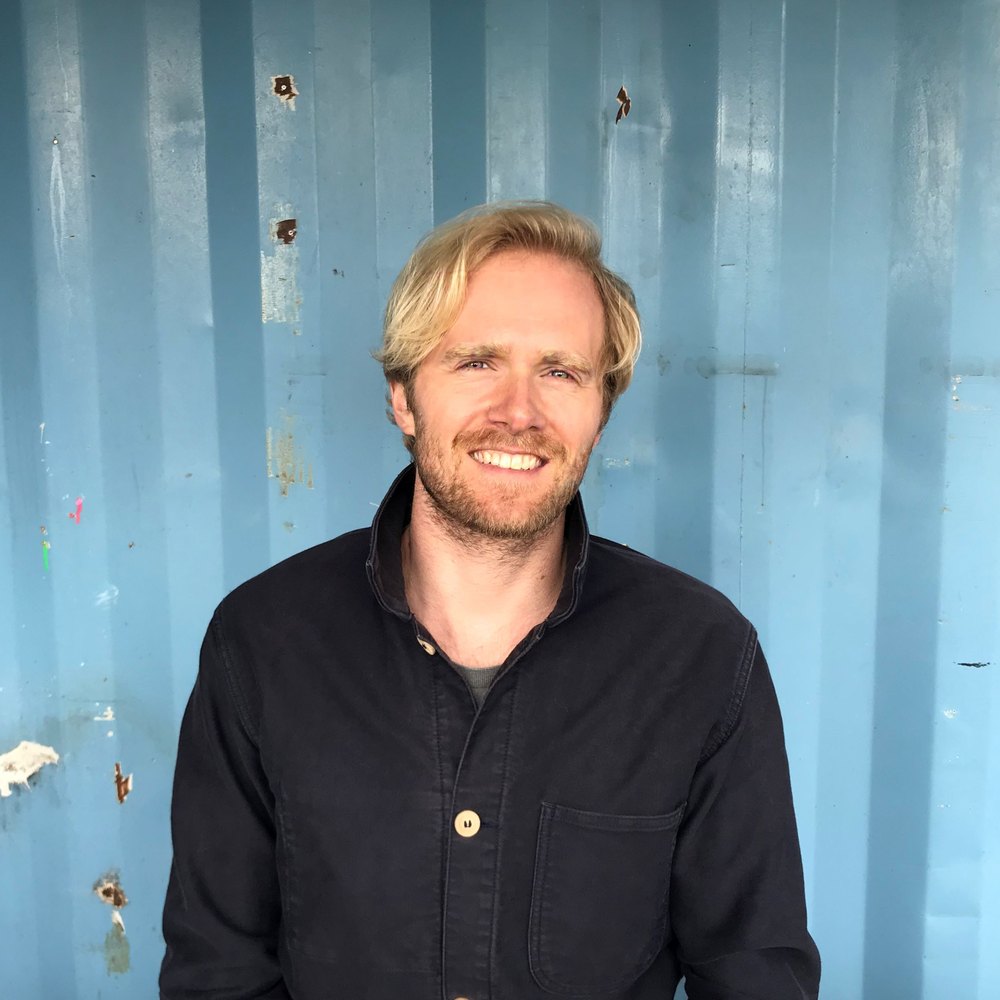
Moderating the AI Gets Physical panel at Blue Tech Summit IL.26.
Everyone has heard that AI will change energy. The more useful fact runs the other way: power, cooling and steel are now what limits AI. The opening panel puts the people building physical AI next to the people funding it.
- When
- 3 November 2026
10:00–10:30 - Where
- Sammy Ofer Stadium
Haifa, Israel - Role
- Moderator
Opening panel, main hall
Two companies building it, two funds backing it.
Physical AI for plants and data centres, power that does not wait for the grid, and the capital that has to fund both.
Yochai Pagi
Co-founder and CEO, Psistar. Physics-informed AI that learns how a power plant or data centre physically behaves, so critical infrastructure can run itself, and better.
Eyal Shalom
Co-founder and CEO, Nugen. On-site power from solid-state hydrogen cartridges for data centres, ports and water facilities, where the grid falls short.
Tali Rosenwaks
Partner, Next Gear Ventures. Deep tech for mobility and energy, and a former CEO of a physical AI start-up.
Ori Amsalem
Partner, Deep33, leading advanced energy at a fund built on the idea that AI is bottlenecked in the physical world.
I've run the energy assets, sold to the plants and worked on the deals.
I have been the operator who has to trust the model, the vendor asking to be trusted, and the banker reading the numbers.
Ørsted
Head of a 900 MW offshore wind portfolio. Before that, principal at Ørsted Ventures – deals in offshore wind analytics, autonomous vessels and offshore access – and core team on the €13bn IPO.
Aperio
Five years as first commercial hire, then VP Commercial, Product and Customer Success, selling operational data integrity to power plants, refineries and chemicals – the data an AI would have to act on.
Danske Bank
Investment banking analyst on IPOs and M&A – including the sale of Maersk's offshore-vessel operator ESVAGT and the restructuring of shipping company TORM.
What I'll be asking.
- Plants already run model predictive control and analytics. What can physical AI do that those could not – and where does it show up in the numbers?
- Where is the bottleneck that actually pays: new energy technology, or unblocking the infrastructure we already have?
- Data centres, ports and water facilities need power the grid cannot deliver in time. Beyond the cost per kilowatt-hour, how should operators weigh time to power, reliability and the cost of delay?
- Physical AI mixes software, hardware and steel. How do you tell a venture-scale company from an infrastructure business – and when will a lender put AI-driven value in the project model?
At the summit? Building, running or funding any of the above?
Book a 20-minute call